The Dirt Network

 I designed and built a dirt exchange marketplace that helped Wisconsin users find nearby materials and manage their own listings through a front-end experience. Listings published immediately, without administrator review, so routine posting did not depend on someone managing submissions behind the scenes.

The Challenge

The Dirt Network needed more than a place to display available materials: people needed to create and maintain listings themselves. With no official administrator support, the publishing workflow could not depend on someone creating or approving each post.

The design needed to connect local discovery, listing details, front-end submission, and account management into one experience. My focus was making those tasks accessible without requiring users to enter the WordPress dashboard.

My Role

 I owned the user-experience design and WordPress implementation, from mapping the listing journey to building the front-end pages in Elementor. I also connected structured content, submission forms, and map-based discovery, using AI-assisted development for custom functionality that I directed, tested, and troubleshot. 

Experience Design

 Mapped how visitors find materials and how new and returning users reach the listing form 

Front End Design

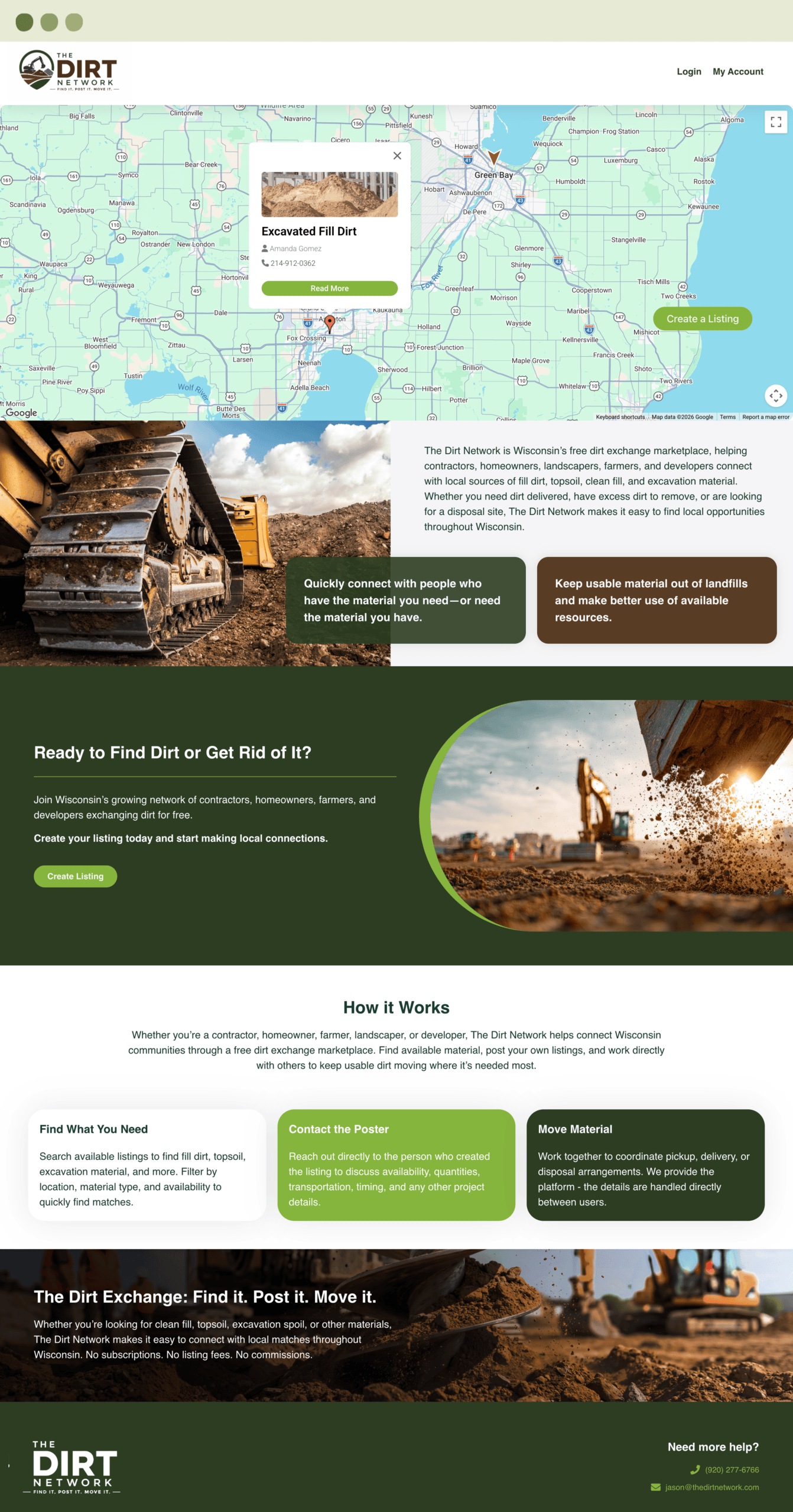
Built the listing layouts, search experience, submission pages, and account-facing screens in Elementor 

Content Structure

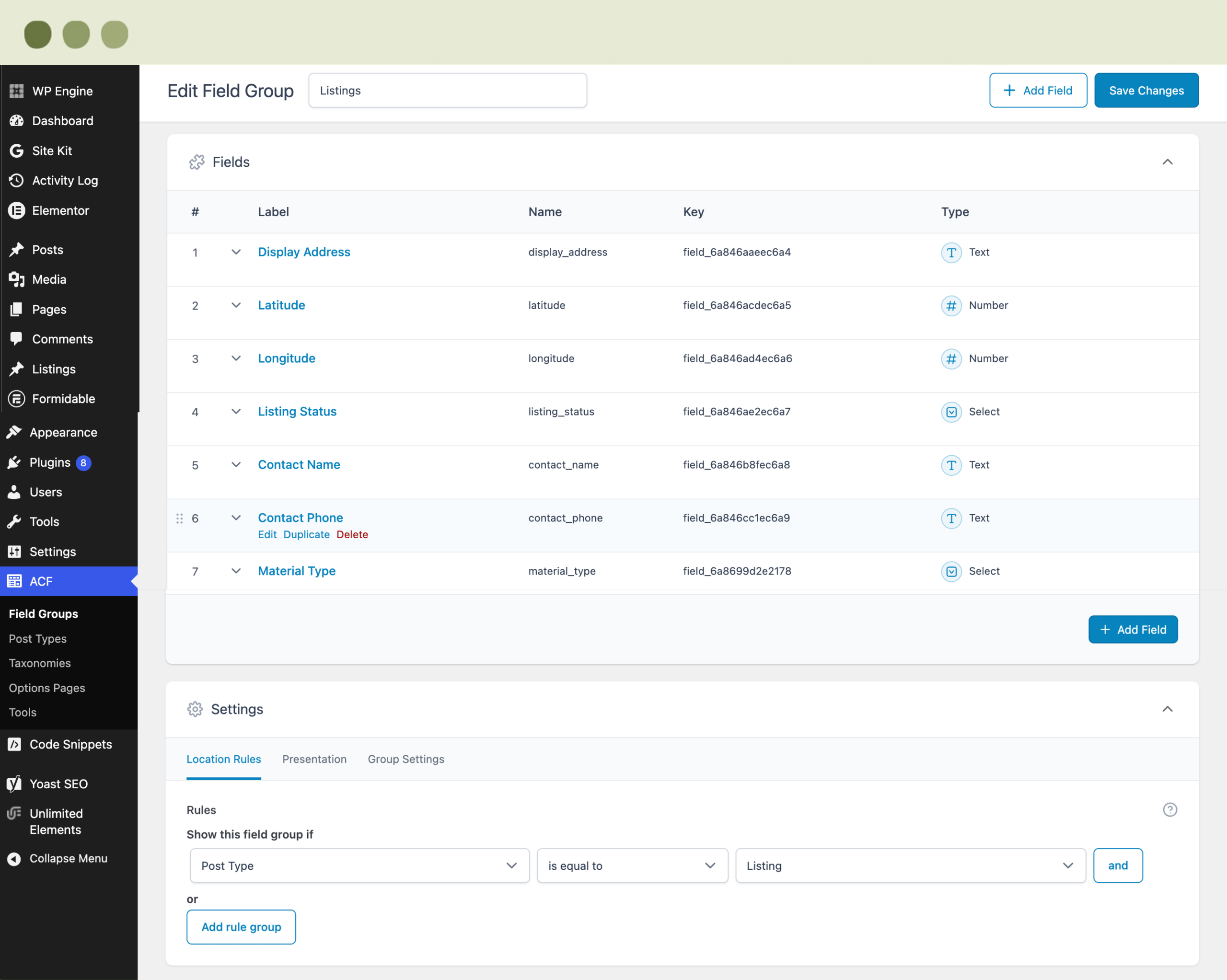
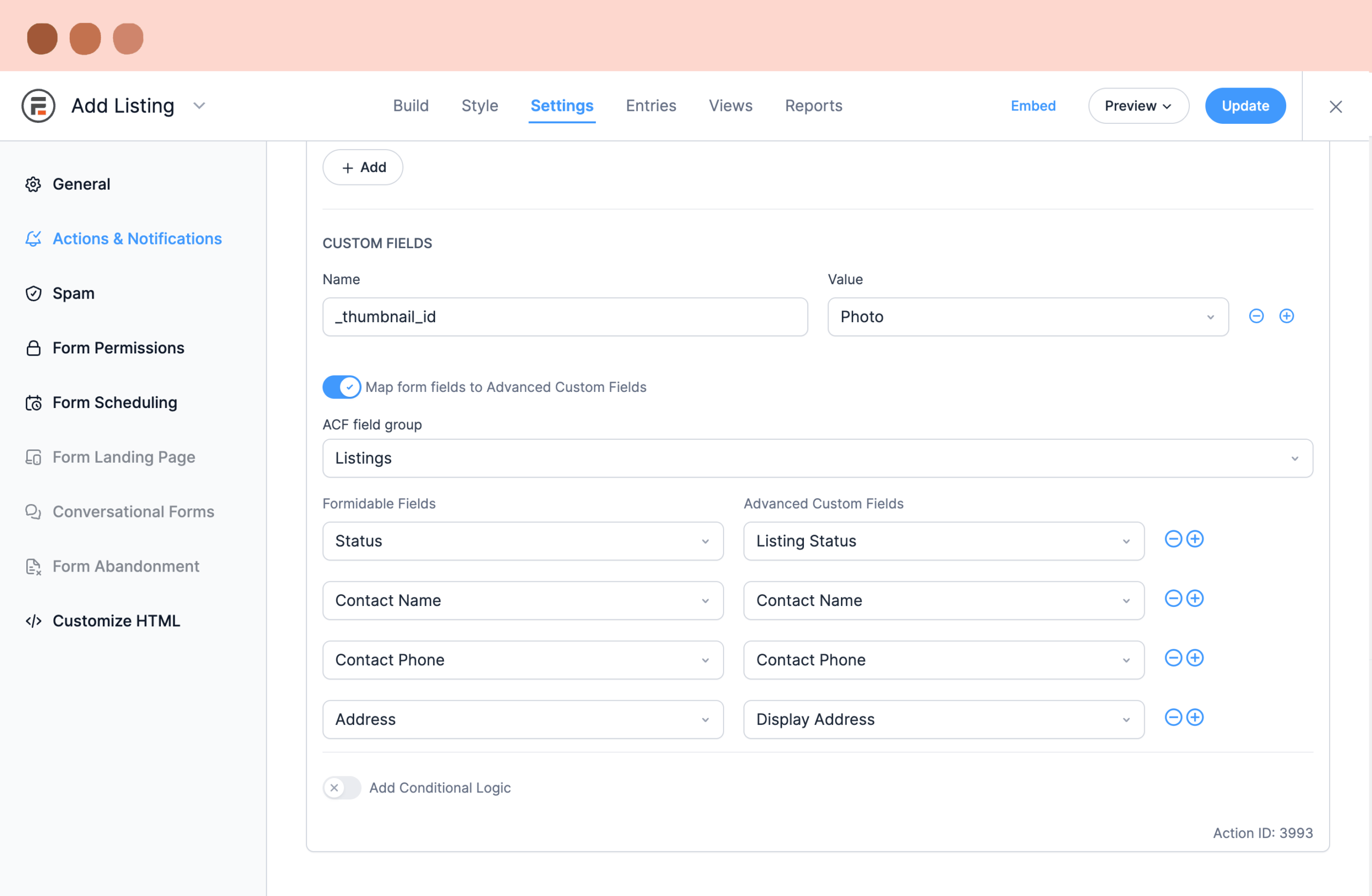
Organized listing information with Advanced Custom Fields and connected user submissions through Formidable Forms 

Custom Functionality

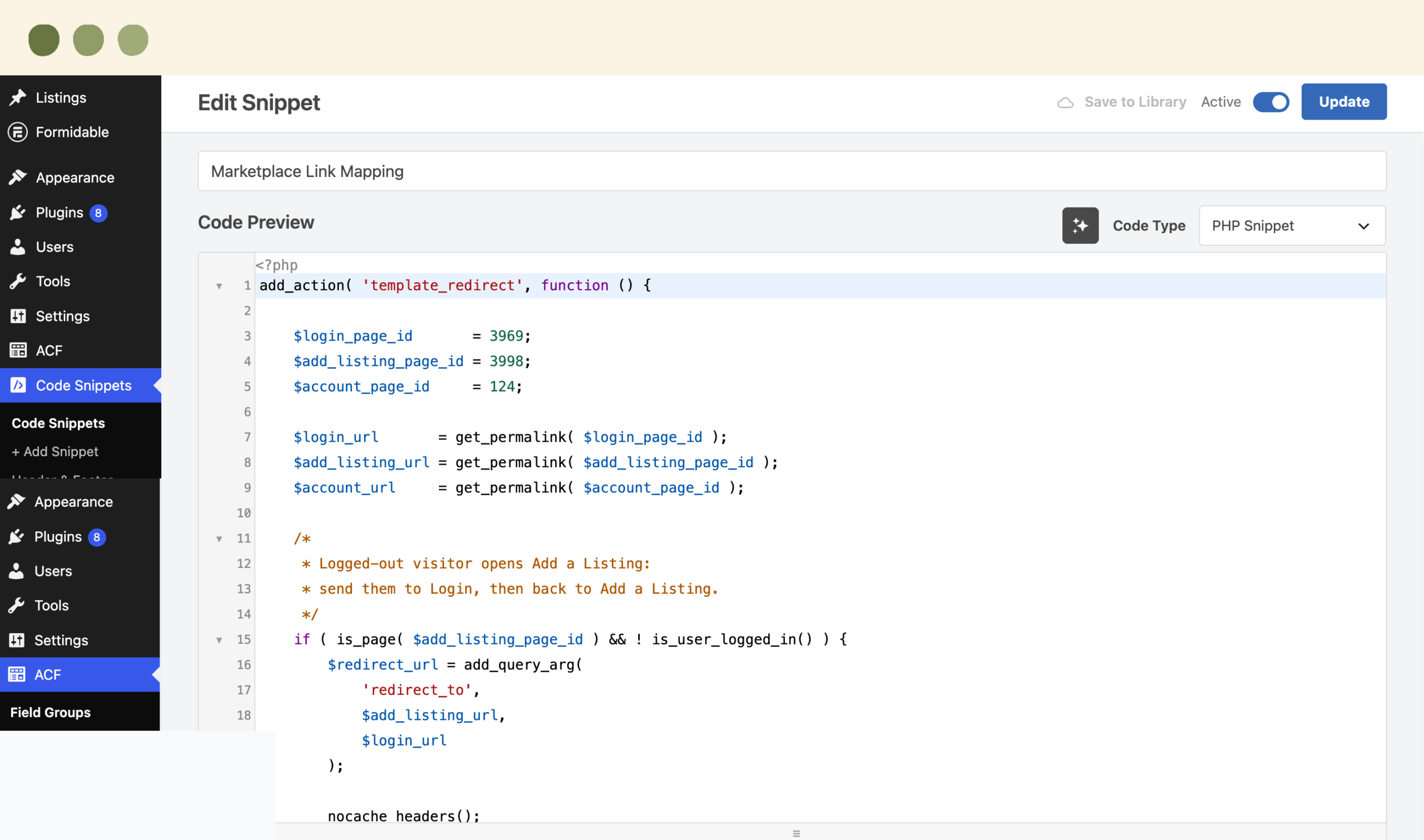
Directed and tested AI-assisted backend code, including account-aware redirects to the posting flow 

Designing the Experience

I organized the experience around four tasks: finding materials, exploring a listing, publishing a post, and managing existing listings. Immediate publishing made the last two tasks especially important: users needed to contribute and maintain content without waiting for an administrator.

Find Materials

I connected an interactive map with the listing experience to support location-based discovery. This gave visitors a way to browse available materials by location before exploring individual listings. 

Explore Listings

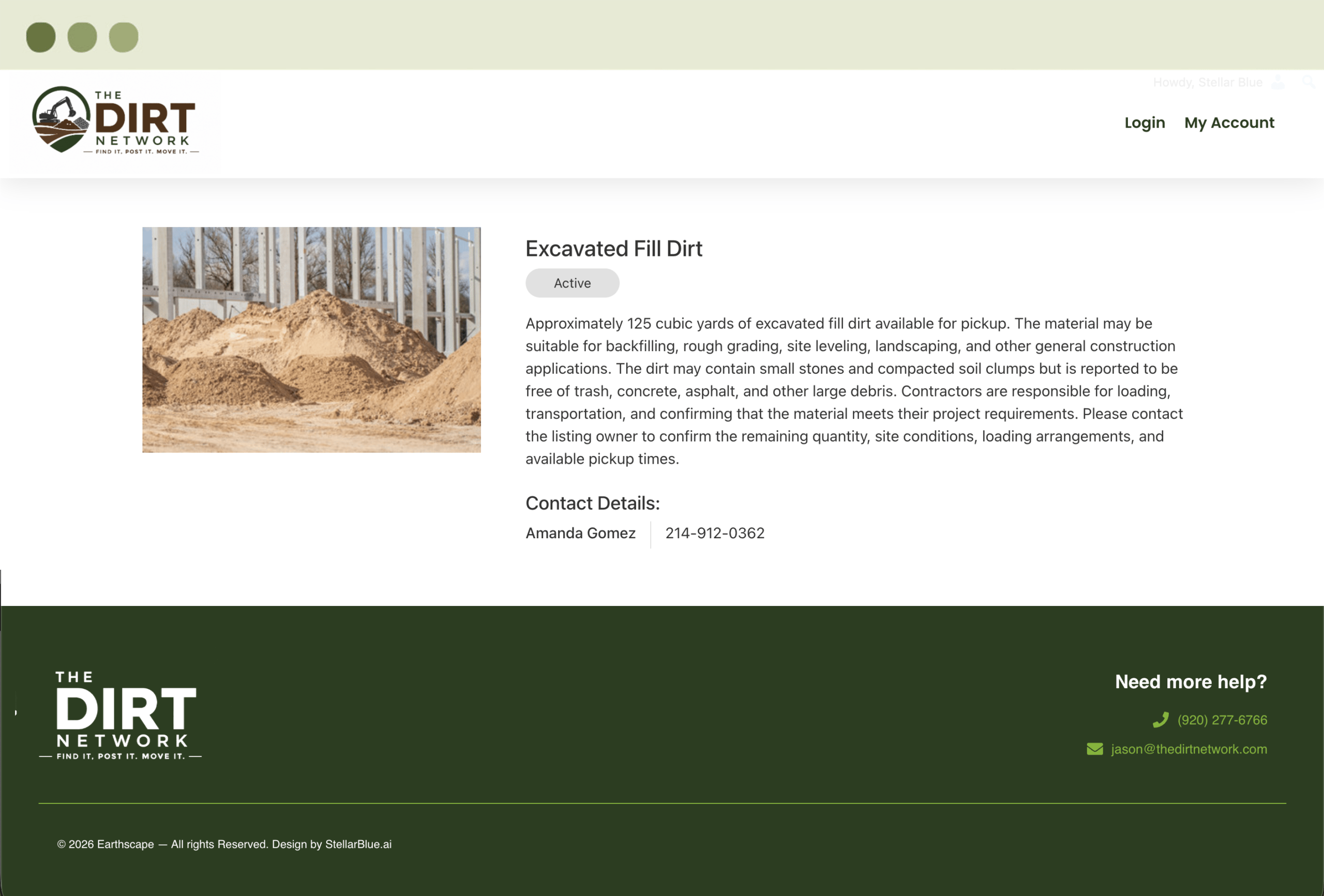
The listing view brought material information and contact details together in one place. Visitors could review the listing and find the information needed to contact its owner. 

Post a Listing

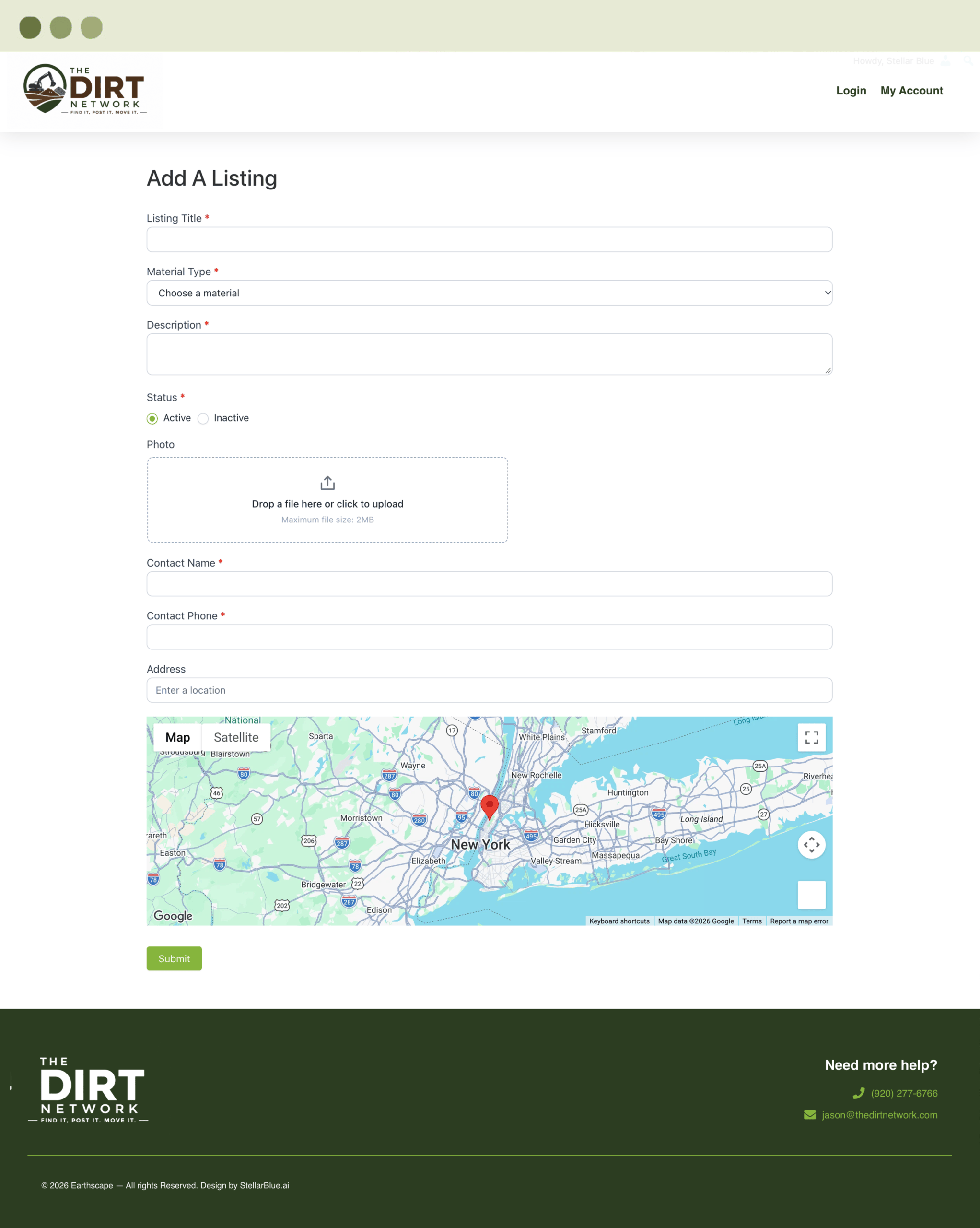
I built a front-end form that connected user submissions to the listing system without requiring access to the WordPress dashboard.  Once submitted, the listing is published immediately.

Manage Existing Listings

The account experience let users review, edit, and remove their own listings. Together with immediate publishing, this made routine listing management a user task rather than an administrator task.

The Build

I combined WordPress and Elementor with structured fields, front-end forms, and AI-assisted custom backend development. My role in the custom work was to define the intended experience, direct the implementation in ACF and Formidable Forms, connect the custom code, test the behavior, and troubleshoot issues.

Advanced Custom Fields

Organized the listing information needed for dynamic content, filtering, and display 

Formidable Forms

Captured front-end submissions and connected them to the listing system 

Custom Redirect Logic

Routed visitors toward login or the listing form according to their authentication state 

A Clear Path to Posting

I mapped the posting journey for both new and returning users, then used conditional redirects to connect the entry point with the appropriate next step. Authenticated users went directly to the listing form, while logged-out visitors went to login, with registration available for new users. 

I used AI assistance to implement the custom redirect logic and tested and refined both paths. This connected the journey I designed with the behavior of the working website. 

The posting journey accounts for signed-in users, returning users, and people creating an account.

40 User-Created Listings

The project recorded 40 user-created listings within the first month after launch. This is an early content-adoption measure, not a count of unique users or completed material exchanges.

Beyond that early activity, the delivered experience supported front-end listing creation and account-based editing and removal. Those routine publishing tasks did not require an administrator to process submissions.

What I Learned

This project pushed me beyond page-building into designing the relationship between user journeys, structured content, and custom functionality. It also reinforced a practical design principle for me: self-service should include maintaining content after publication, not just getting the product online.

I mapped the experience, directed AI-assisted development, and tested the implementation rather than treating generated code as a finished solution. The lesson I would carry forward is to define the intended behavior first, then use the tools necessary to support it.

Let's build something great together

I’m looking for my next opportunity to create thoughtful, high-performing web experiences with a team that values great design.

Amanda Gomez portfolio logo

Web and Brand Designer

© 2026 Amanda Gomez. All rights reserved.